

Learn to create an action plan to help you achieve your goals free here.
How do you innovate your processes without losing quality control?
As you embrace creativity, how do you guarantee that product quality is still maintained?
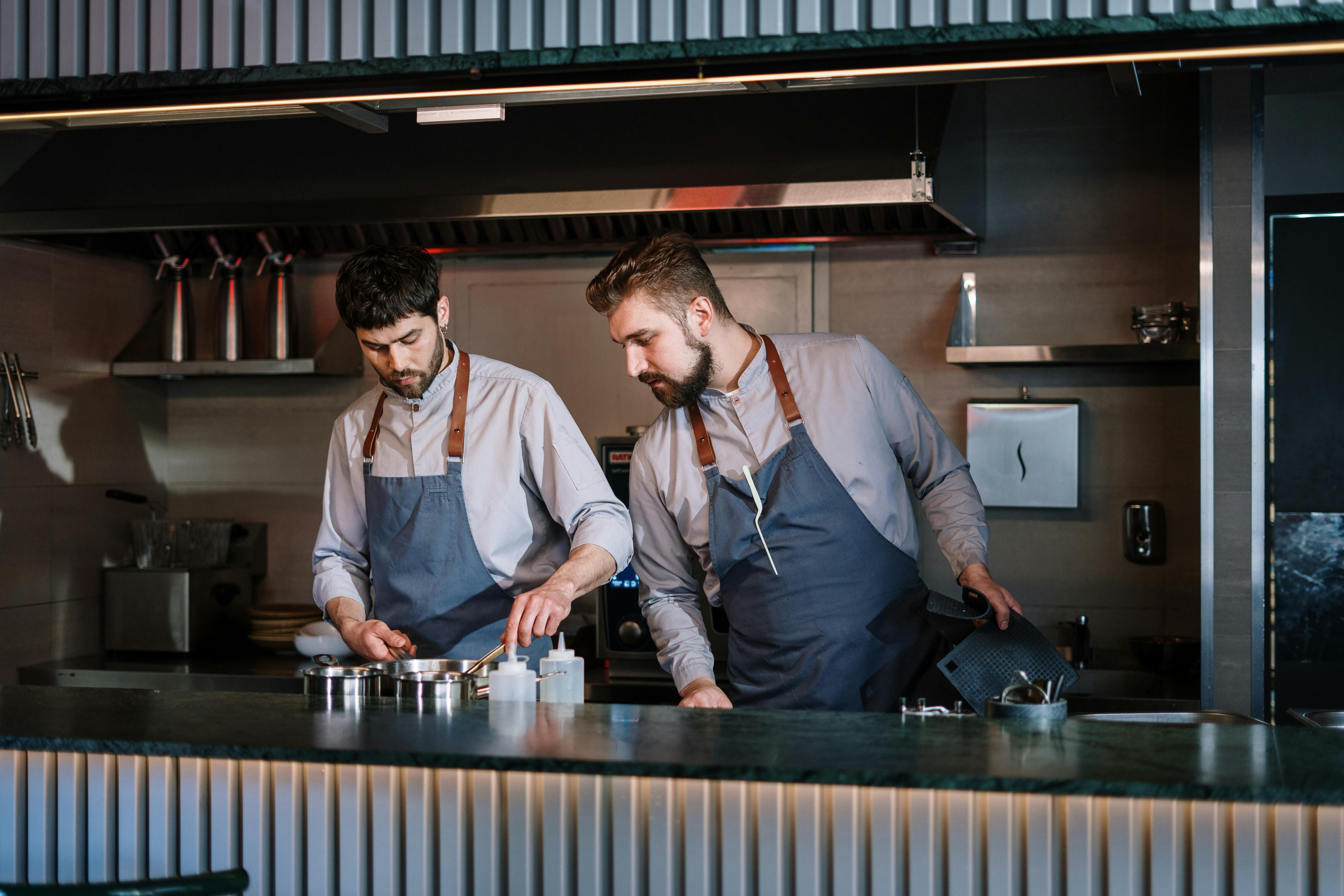
In the early 2000s, chef René Redzepi was facing an identity crisis. He had just opened the Noma restaurant in Copenhagen, Denmark and realized that they were serving ghost foods that had no connection with the local area.
Noma was situated in the Nordic region yet Redzepi yet his team were importing the finest French ingredients such as olive oil and lemons to use in their dishes.
"I realized we were living a lie. We were claiming to cook 'Nordic' food, but every single dish was being 'corrected' by a fruit that couldn't survive a single night of our winter." Chef Redzepi would say in Noma.
Then René had an idea to replace the French ingredients he had been trained with for years with local ones that only existed in Nordic regions.
He would ban lemons from his kitchen and instead, introduce wood ants that produced formic acid, wild sorrel, sea buckthorn, and beach roses.
In his reflections, chef Redzepi would say that the choice of ants in his dishes arose from the search of an acidic profile rather than cooking bugs in the restaurant.
"The first time you try them, there is a moment of hesitation. But then, the flavor hits. It is a concentrated explosion of kaffir lime and lemongrass. It’s cleaner than a lemon, more electric. You realize Redzepi hasn't given you a gimmick; he’s given you a new spice."
Claimed a reviewer of the restaurant
The inflow of positive reviews of Noma’s food drew even more customers. Redzepi had learned how to perfect the balance between innovation and the quality of his food.
Redzepi would write about another chef in a high-end pop-up kitchen far away in London who saw the success Noma had achieved with their innovation and decided to implement the same idea.
The chef observed that Redzepi used young spruce shoots to achieve taste. He also foraged mature pine needles from a local park to create a smoked pine-needle ice cream topped with "soil" made of dehydrated lichen and toasted moss.
The result was a dish that appeared “technically innovative” but was unpleasant to eat. Diners would complain of a scratchy throat, a woody texture in the ice cream, and overwhelming bitterness for the rest of the meal.
What was happening?
The chef had only copied the aesthetics of the dish without understanding the biochemistry of the ingredients.
In the quest to appear visionary, the chef missed the fact that Redzepi had fermented his ingredients for months to break down the harsh oils.
The rush to innovate without understanding destroyed the very quality of the dish they were previously already delivering well.
Redzepi would also comment on the rise in similar trends, arguing that most novice chefs were skipping the process and seeking only the aesthetics.
"You cannot simply pluck a piece of the forest and put it on a plate. The 'wild' is often hostile. Our 'pine' flavors come from months of koji-fermentation or salt-curing to transform a bitter, resinous needle into something floral and citrusy. Without the process, you aren't cooking; you're just foraging."
Takeaway This Week
This week, we learn from chef Redzepi on how we can embrace innovation without destroying the very thing we are innovating in the first place.
Redzepi knew about the duality of states required for successful innovation.
Boundlessness
Boundaries
He knew that to be truly innovative, one had to embrace the exploration of ideas for months without the rush of deadlines or trying to please customers. Redzepi intentionally closed his restaurants for 6 months and was willing to treat ingredients in a laboratory-style approach.
However, when he had to deliver a dish, he replaced this boundlessness with boundaries, eliminating any experiments and following recipes strictly.
To enhance our products/processes, we also need to adopt a similar approach to avoid destroying our functional products.
How I implement boundlessness and boundaries is with the choice of background music I use when working.
Rather than random playlists on YouTube or Spotify, Brain.fm is what works magic for me.
It’s an all-in-one music solution that is carefully engineered by humans to help you achieve any goal you set out.
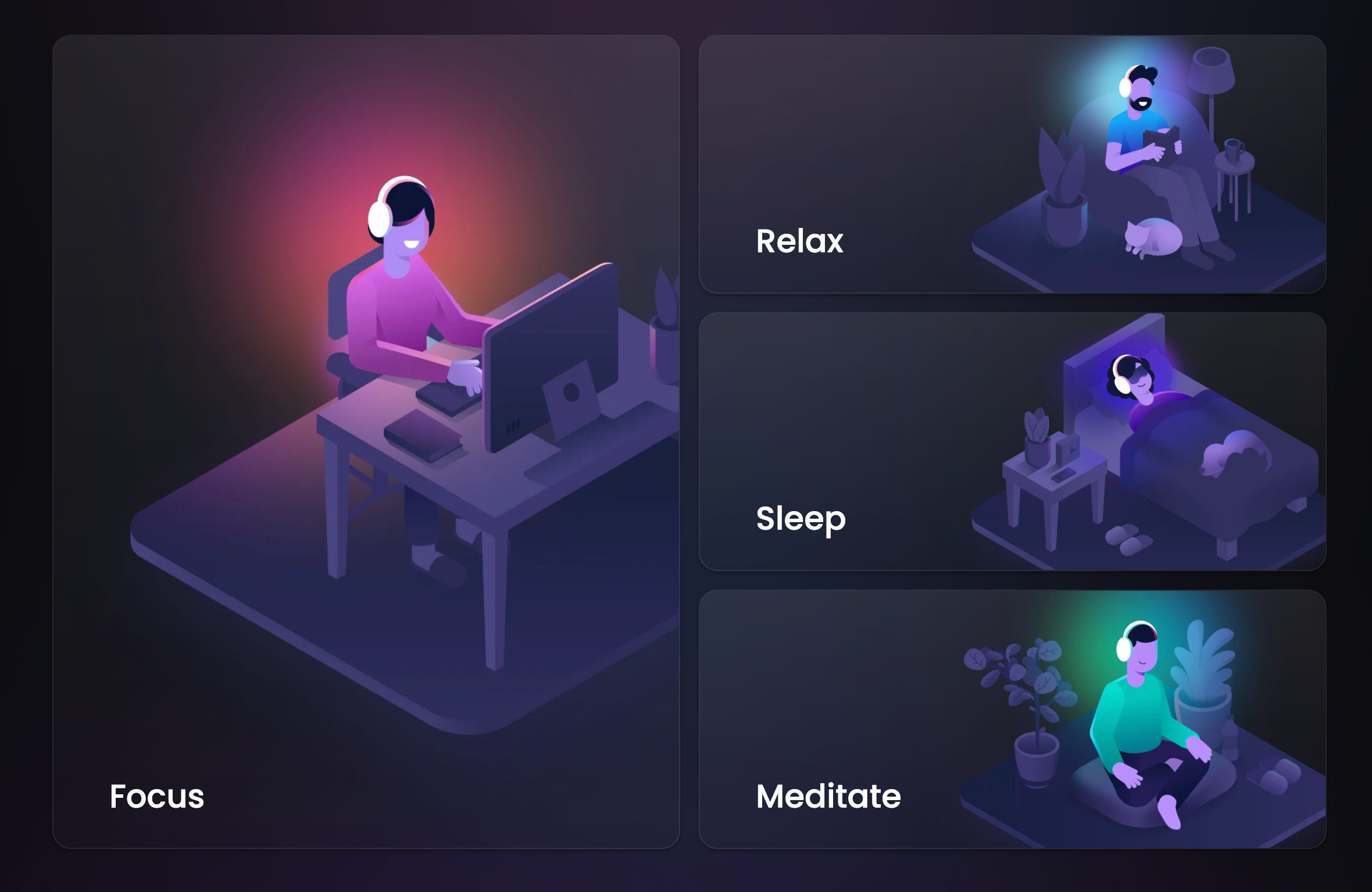
Whether it’s focus, relaxation, sleep, or meditation, Brain.fm packs playlists that really work.
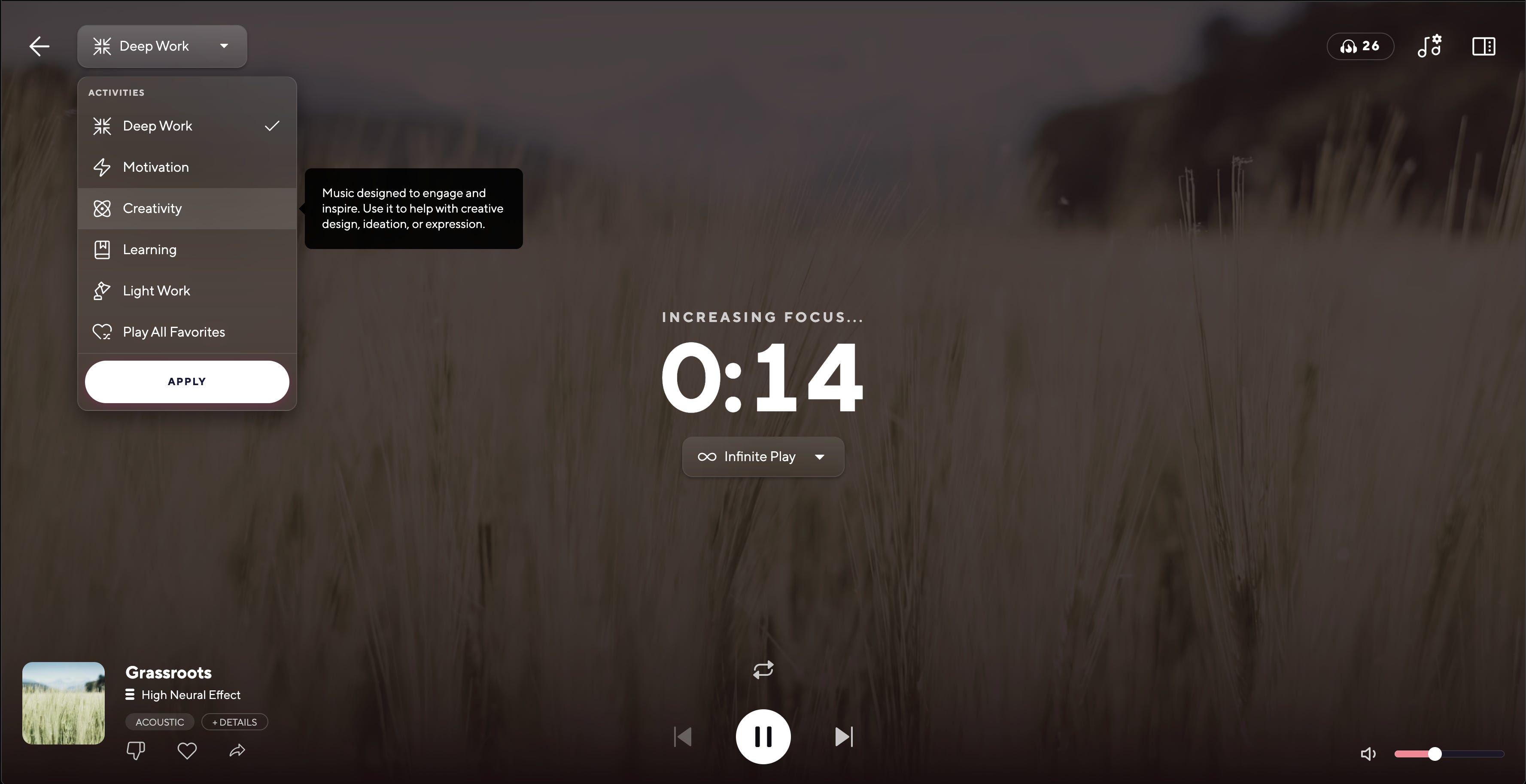
I intentionally use playlists for creativity when exploring ideas and giving them a shape and shift to deep work music when I need to execute an idea.
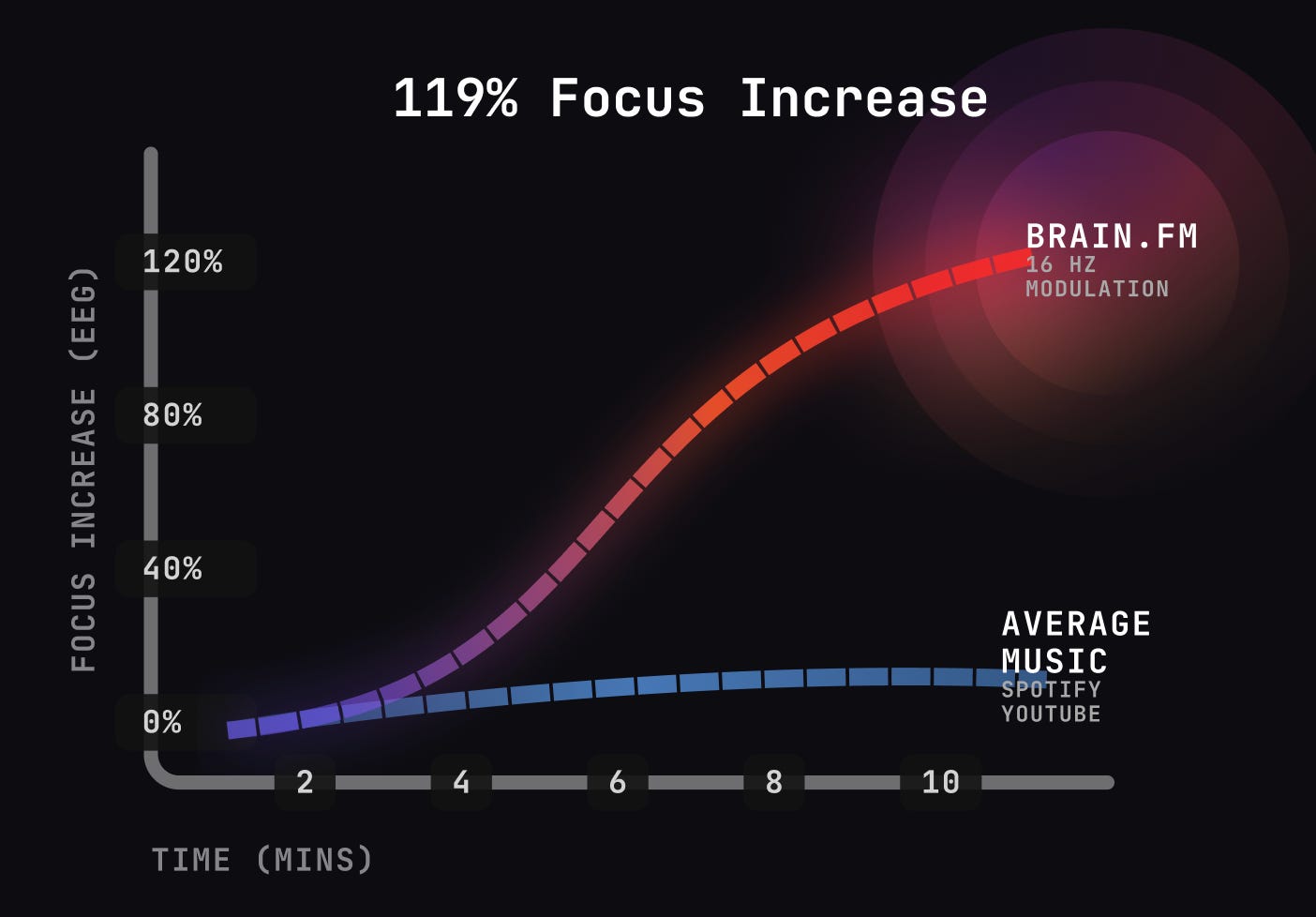
At 16 Hz modularization, the music helps you increase your focus at 119% whether exploring ideas or simply executing them.
Here’s what others are saying:
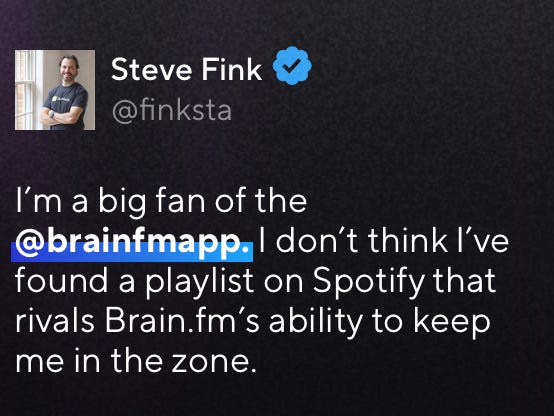
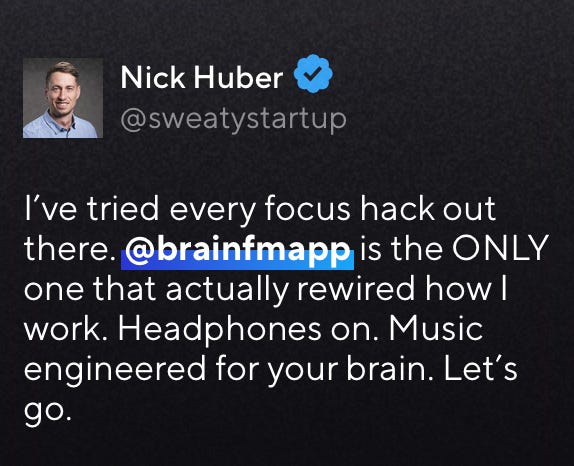
For others, Brainfm gives 7 or 14 days trial period to test the app.
However, here’s the good news.
They are allowing you, our subscriber to test the app for 1 month free.
Try it out while you work, write, code, sleep, read, meditate, etc.
It really works.
No payments asked. Cancel if you don’t like the experience after 30 days.
That’s it for now.
Watch out for next week’s productivity insights in your inbox.
As always, fresh ideas are welcome. Please feel free to send in your feedback, thoughts, questions, and suggestions—I read them all!
If you want to pass this newsletter on to a friend, here’s a link to make it easier.
Catch you again soon.
Have a great day :)