

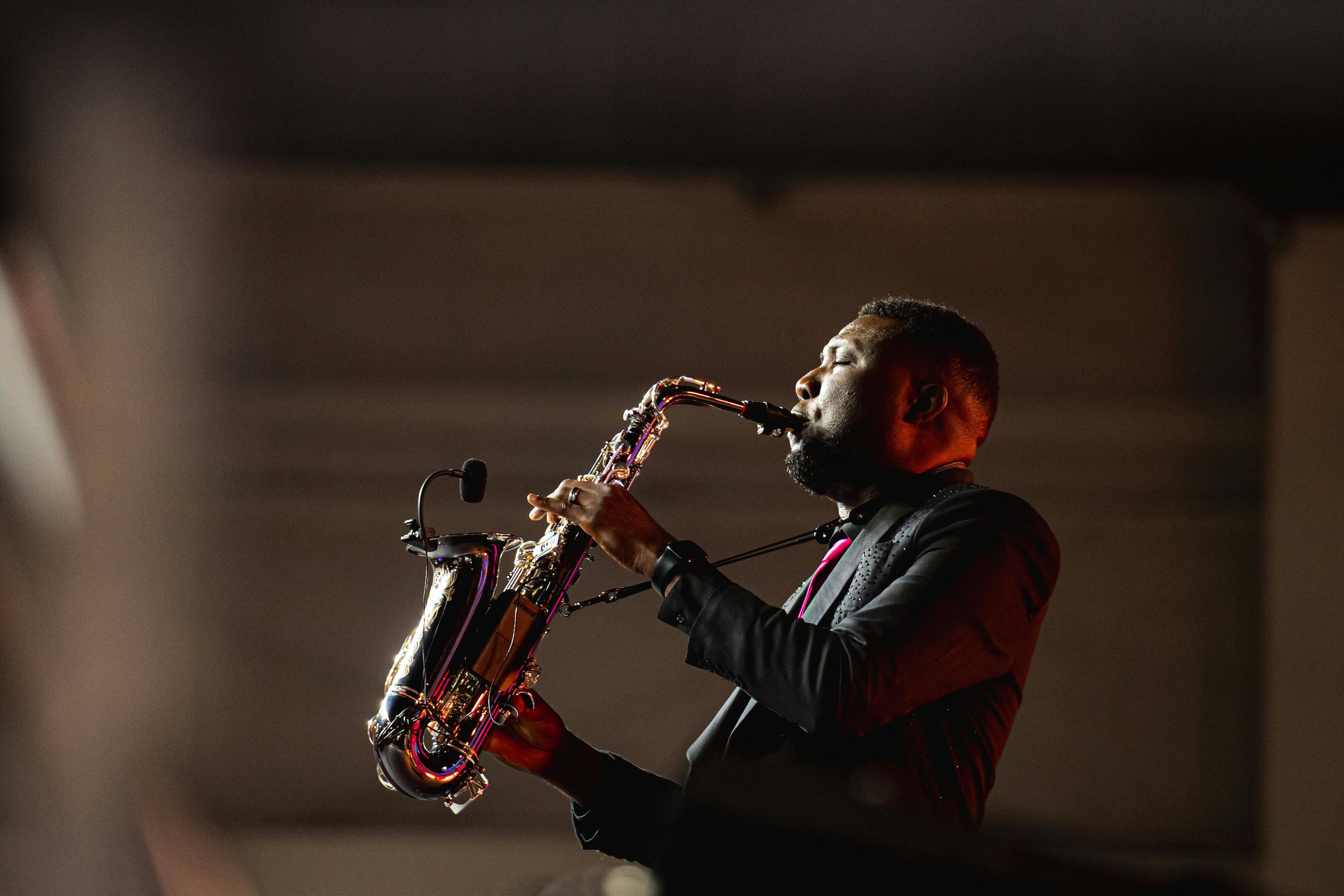
Although he had spent much the late 1940s playing the trumpet next to Charlie Parker, the high priest of bebop jazz, Miles Davis was feeling frustrated.
In his own words in Miles Davis: The Autobiography, Miles would say that he wanted to find his “own space.”
By 1949, Davis was tired of Bebop jazz and its frantic chaos. He decided to pivot to cool jazz, shifting to a sound that was more relaxed and understated.
Ian Carr would describe how Miles added new physical gear with this shift.
“Miles would add the Harmon mute as an extension of his vocal chords and by playing very close to the microphone with the mute, he created an intense, whispered privacy.”
Cool jazz would dominate the 1950s but by the end of the decade in 1959, Davis felt that he was too trapped and needed to shift again. His argument was that musicians were only repeating mathematical patterns instead of chasing true melody.
In came Modal jazz in the 1960s as Davis said that he wanted the music to be like a painting where you notice the subtle colors, not a bunch of noise.
"When you play modal, the challenge is to see how inventive you can become melodically. It's not like you're running out of chords; you're running out of excuses. You have to create the melody from the soul, using tone and space.”
All through, the 40s, 50s and now the 60s, the reinvention of Davis as a jazz musician was driven by his own limitations. Sometimes, he felt he needed to create his own space while other times, he wanted to be creative.
However, in the late 1960s, the market shifted and traditional jazz was dying commercially. The shift was towards the rock and funk sounds of Jimi Hendrix and James Brown.
Davis knew it was time to change again.
He would now introduce new instruments such as electric guitars, twin drum kits, and electronic keyboards as he produced the Bitches Brew piece.
This new shift brought in different views. For jazz purists, they believed that he was now sold out.
Yet, others like Quincy Troupe, in Miles and Me would see that what was happening beneath the surface. Davis still sounded the same.
"People thought Miles changed his music completely on Bitches Brew, but if you isolate the trumpet tracks, Miles is playing the exact same blues-inflected, modal licks he was playing on Kind of Blue ten years earlier. He’s still using the Harmon mute, he’s still playing behind the beat, and he’s still leaving long silences. He just dropped his acoustic lyricism into an electric volcano."
If we zoom out, we see a masterclass in professional longevity in the life of Miles Davis. He smoothly transitioned from bebop → cool jazz → modal and → fusion.
What made this look so seamless?
To answer this question, we need to look at another band of musicians: the Rolling Stones.
In the 1960s, the Rolling Stones were known by their aggressive style of music, the blues-rock music that blended the American Delta blues with the aggressive British rock sound.
However, when the Beatles released Sgt. Pepper’s Lonely Hearts Club Band in 1967, the market shifted. Now, the blues-rock sound was outdated and replaced by the psychedelic pop sound of the Beatles.
The Stones panicked.
They knew that to survive in the market, they had to out-Beatle the Beatles. The Stones shelved their method and took new instruments and crowded their tracks with mellotrons, brass fanfares, harpsichords, and aimless studio sound effects.
In their quest to remain relevant, they had discarded what made them sound like the Rolling Stones. Their audience noticed and their fans were alienated. Credibility had been fractured.
Takeaway This Week
This week, we look at the reinvention paradox and the critical nuance skipped by the hyper-pivoting advice that tells us to blindly recreate ourselves every time the market shifts.
Looking at Miles Davis, we learned that a true master doesn’t change with every trend. They intentionally retain their core identity as they upgrade their tools.
While most career advice tells us to pivot aggressively to new markets, we must also keep this brutal reality in mind:
If you change your industry, your toolkit, your audience, and your business model all at once, you aren't pivoting. You are resetting your compounding clock to zero.
For many years, you painstakingly build your tacit knowledge - your intuition, taste, and pattern recognition.
Then when the market panics and shifts, throwing all of it away means losing the compound average you earned.
Like Davis, we must learn to shift only the delivery while the cognitive domain remains intact.
Today, your work landscape feels exactly like what Davis dropped his trumpet into.
We are surrounded by shifting platforms, algorithmic distractions and the relentless hype of new tools that steal our attention.
However, one way you can focus on what really matters is by filtering out this noise.
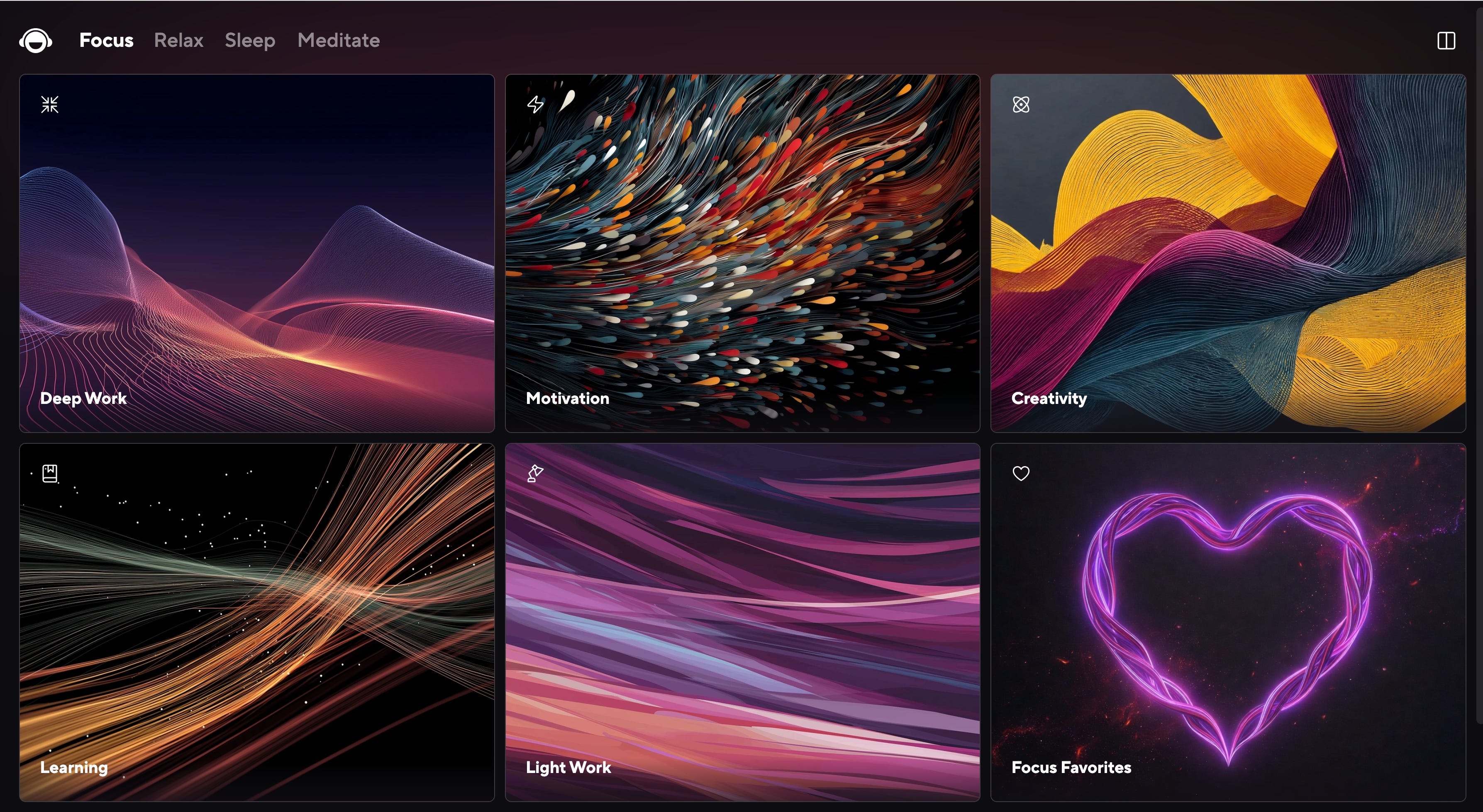
This is where Brain.fm becomes an essential tool to help you focus on your work without letting your chaotic environment affect your work.
Unlike standard playlists designed for entertainment, Brain.fm uses patented neural entrainment—rhythmic amplitude modulations—to guide your brain into specific target states.
It helps you to focus, relax, sleep, and meditate.
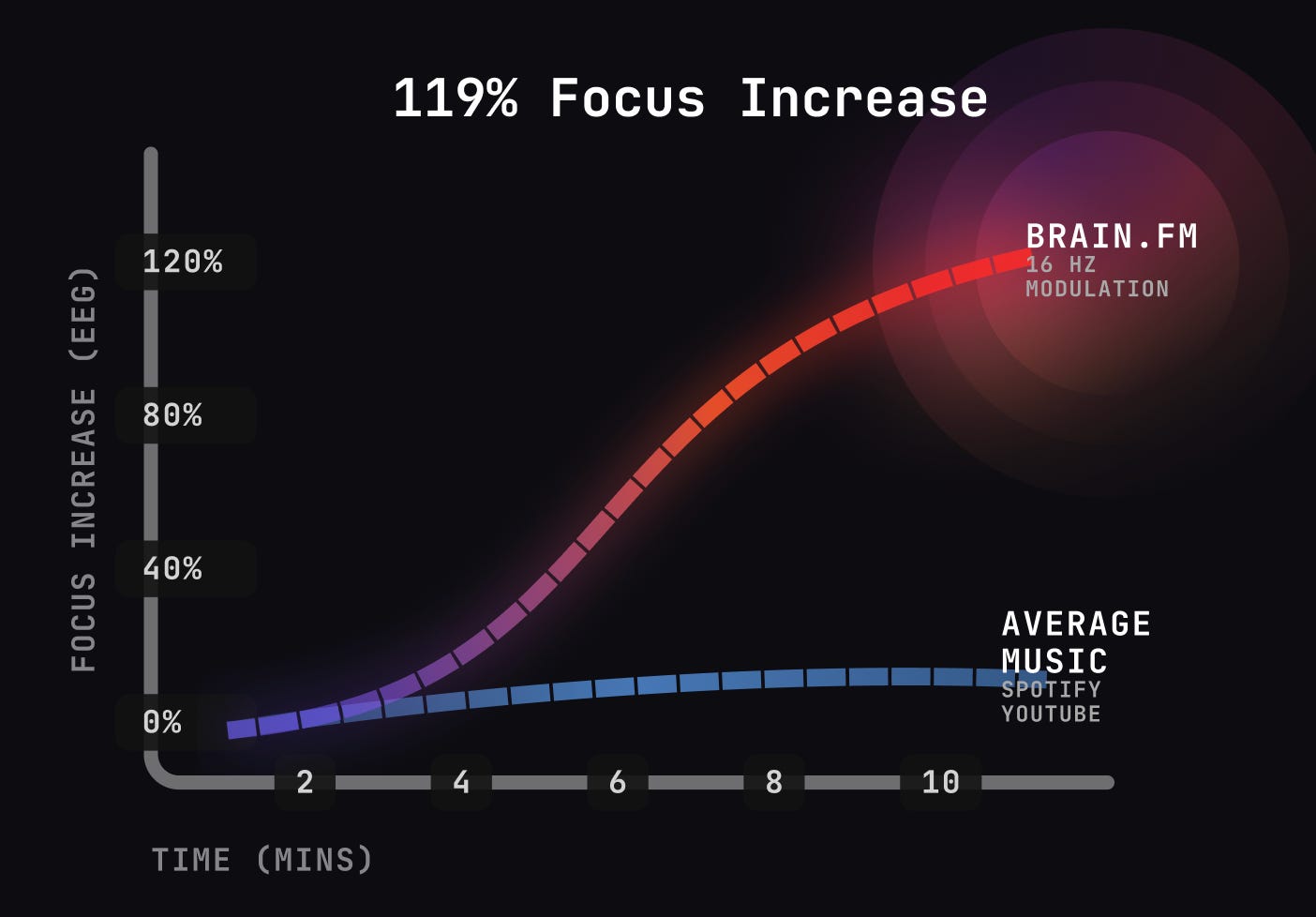
At 16 Hz modularization, the music helps you increase your focus at 119% whether exploring ideas or simply executing them.
By treating your work environment as a variable you can optimize, you can optimize your focus and become even more productive.
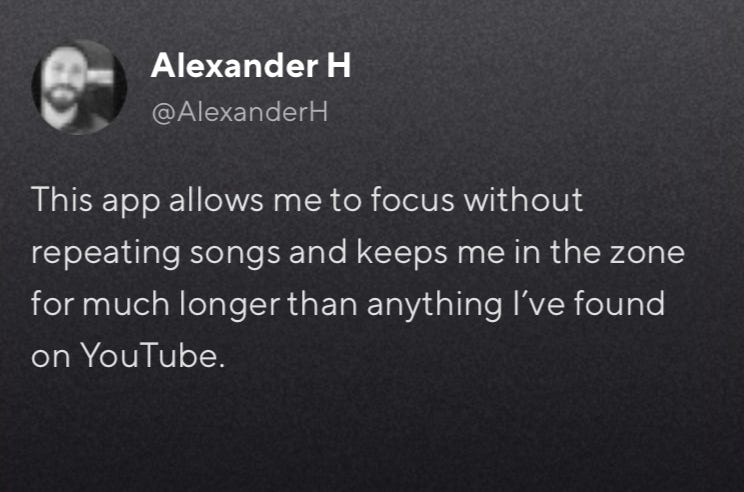
Here are some user views.
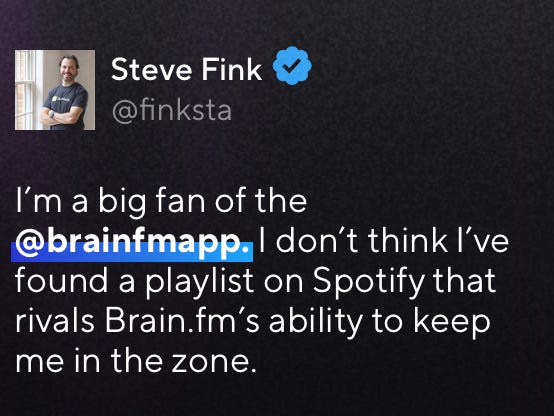
For others, Brainfm gives 7 or 14 days trial period to test the app.
However, here’s the good news.
They are allowing you, our subscriber to test the app for 1 month free.
Try it out while you work, write, code, sleep, read, meditate, etc.
It really works.
No payments asked. Cancel if you don’t like the experience after 30 days.
That’s it for now.
Watch out for next week’s productivity insights in your inbox.
As always, fresh ideas are welcome. Please feel free to send in your feedback, thoughts, questions, and suggestions—I read them all!
If you want to pass this newsletter on to a friend, here’s a link to make it easier.
Catch you again soon.
Have a great day :)