
The Capacity Dividend - Pt 1
When the dividend handed to you was also taken away

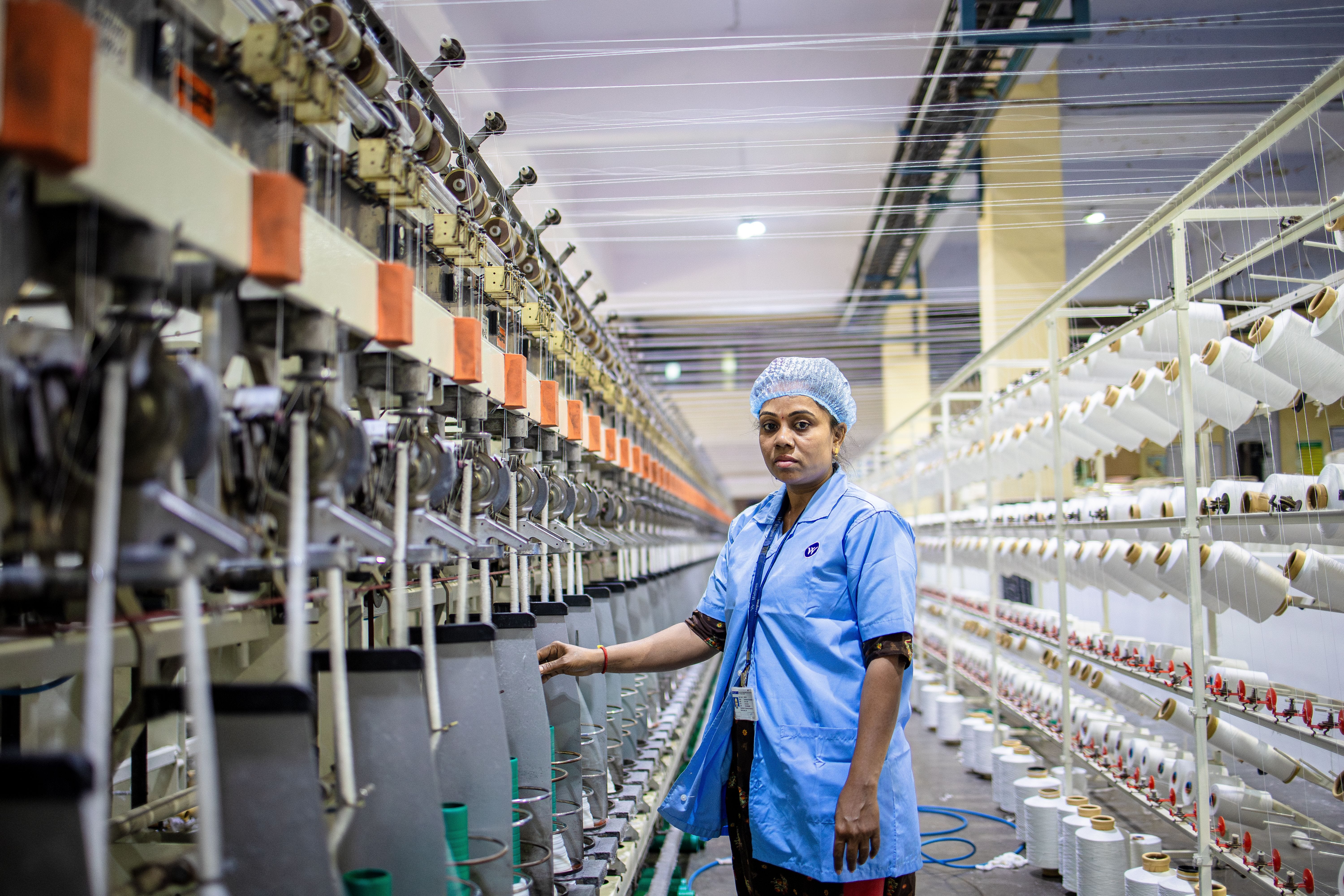
Before 1785, textile mills across Britain grappled with the same problem.
Producing cloth from yarn was extremely slow and not scalable because a weaver had to tend to the machine.
Then in 1785, the power loom was patented. By the 1890s the automatic loom could stop itself when a thread broke and the mills answered by raising looms-per-weaver.
Workers named the practice: the stretch-out.
The improvement was sold as a way ‘to make the work lighter.’
Except, it never did.
Technology had removed the extreme physical exertion of weaving and rather than make the weaver’s work lighter or shorten their hours, the mill made the same move.
The capacity dividend that the mill had introduced, it also took away.
Now, a weaver who was tending two looms was given four, and then eight. The hours remained the same, only stretched out and quietly loaded with more.
Today, you know this arrangement, even if no one has ever handed you a power loom.
A report that took you two days now takes an afternoon, yet your calendar is exactly as full as it did before. No one sent a memo raising your quota. It raised itself.
There’s nothing wrong with you. The playbook you are using only told you that the efficiency gain you obtained from leveraging technology tools was speed. The same work, done faster.
However, what the system sees, it also reclaims automatically. Now, your calendar is still full as before.
This week, we resolve this. We help you identify all your efficiency gains from leveraging AI and show you how to convert them into a form that can’t be taken away from you.
This way, you become more competitive.
Let’s get started.